Wpc Composite Decking has gained popularity as a top choice for homeowners seeking durable and stylish outdoor spaces. This innovative material, made from recycled wood and plastic, offers a range of benefits that traditional wood can’t match. Homeowners want longevity, beauty, and sustainability in their choices. Wpc Composite Decking meets these needs effectively.
One of the standout advantages is its resistance to fading and weathering. Unlike natural wood, it does not warp or splinter. This means safety and comfort for your family and friends. Maintenance is minimal, requiring only occasional cleaning. Imagine enjoying your deck without the tedious upkeep of natural wood.
However, it's essential to consider that not all Wpc Composite Decking products are created equal. Some may lack the structural integrity expected. Research and choose reliable brands for the best outcomes. Overall, the benefits speak for themselves, enhancing the beauty and functionality of any home.
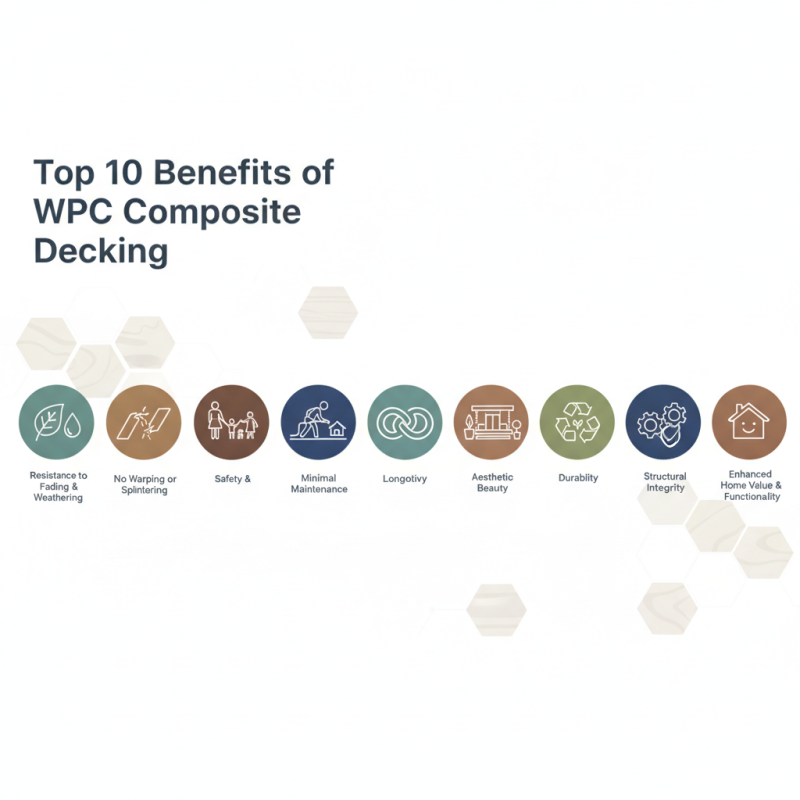
WPC composite decking is an innovative material made from wood fibers and plastic. This combination gives it durability and resistance to moisture. It is ideal for outdoor installations like decks and patios. Understanding how WPC works can enhance your home’s appearance while keeping it functional.
When choosing WPC decking, consider its low maintenance needs. Unlike traditional wood, it doesn’t require regular sealing or painting. Just occasional cleaning with soap and water will suffice. This aspect saves both time and effort, making it a practical choice. However, the appearance may not replicate natural wood perfectly. Some people prefer the authentic look of timber.
One tip is to check the material during the installation process. Ensure that the boards fit together snugly. Gaps can trap moisture and lead to problems over time. Additionally, consider installation in shaded areas to minimize heat absorption, which can lead to discomfort on hot days. Remember, while WPC is durable, improper installation can negate its long-term benefits.

When considering materials for outdoor spaces, WPC composite decking stands out for its durability and longevity. Composed mainly of wood fibers and plastic, WPC is designed to withstand harsh weather conditions. This material resists fading, splintering, and insect damage. It can hold up against moisture and rot, which are common issues with traditional wood decking.
One important tip for homeowners is to ensure proper installation. Poor installation can lead to buckling or warping, which can diminish the lifespan of your deck. Use a professional installer when possible, or thoroughly follow guidelines if doing it yourself. Another consideration is regular maintenance—though WPC requires less upkeep than wood, keeping it clean can prevent the buildup of dirt and grime.
While WPC decking offers many benefits, some homeowners may find it less visually appealing than natural wood. Each choice comes with trade-offs. You may want to evaluate your aesthetic preferences against the practical advantages WPC provides. It's a balance of looks versus lasting performance.
WPC composite decking is increasingly popular for homeowners seeking low-maintenance solutions. Unlike traditional wood, WPC materials resist splintering and rotting, reducing the need for regular upkeep. You can spend more time enjoying your outdoor space instead of repairing it. This is a game changer for busy families.
Cleaning your deck is a breeze. Just a quick sweep and occasional wash will keep it looking fresh. No need for harsh chemicals or extensive scrubbing. This simplicity means more time to relax, rather than toil. It's liberating to glance at your deck without dreading maintenance chores.
Yet, some might wonder about the longevity of composite materials. Although they stand up well over time, they might need occasional checks for wear or fading. Being proactive in maintenance can prevent bigger issues down the road. Reflecting on your choices is essential to ensure you get the best value from your investment.
WPC composite materials are gaining popularity due to their eco-friendly features. They are made from a mix of wood fibers and recycled plastics. This combination reduces the need for traditional lumber. As a result, fewer trees are cut down, contributing to forest conservation. Using recycled materials also helps reduce waste in landfills.
Moreover, WPC decking does not require toxic preservatives. Many conventional wood options rely on harmful chemicals to resist rot and pests. WPC, however, offers a safer alternative without compromising durability. It stands up well against weather and insects while being low-maintenance.
Some might question the long-term sustainability of WPC materials. As technology improves, the production processes will become even more efficient. Nonetheless, the initial reliance on plastics raises concerns. Striking a balance between functionality and environmental impact is essential. Overall, WPC’s sustainable attributes make it a preferred choice for eco-conscious homeowners.
| Benefit | Description | Sustainability Feature | Maintenance |
|---|---|---|---|
| Durability | Resistant to fading, scratching, and mold. | Made from recycled materials, promoting longevity. | Requires minimal upkeep, saving time and resources. |
| Eco-Friendly | Contains recycled wood and plastic materials. | Reduces deforestation and plastic waste. | No need for harmful chemicals for preservation. |
| Aesthetic Variety | Available in various colors and textures. | Supports diverse design preferences. | Easy to integrate into outdoor designs. |
| Safety | Slip-resistant surface, safe for children and pets. | Promotes safe outdoor environments. | Requires less frequent cleaning to maintain traction. |
| Weather Resistance | Withstands extreme temperatures and moisture. | Longevity increases resource efficiency. | No warping or cracking with weather changes. |
| Cost-Effective | Initial investment offset by maintenance savings. | Reduces waste through long-term use. | Less frequent replacement required. |
| Easy Installation | Designed for straightforward assembly. | Less energy used during installation process. | Quick setup minimizes disruption. |
| Increased Property Value | Enhances curb appeal for potential buyers. | Eco-friendly attributes appeal to modern buyers. | Investing in quality materials adds value. |
| Low Environmental Impact | Manufactured with low emissions processes. | Promotes a greener building cycle. | Minimal waste in production and usage. |
| Versatile Use | Applicable for decks, fences, and more. | Encourages multifunctional outdoor spaces. | Reduces need for different materials. |
WPC composite decking offers a stunning aesthetic variety that can significantly enhance your home's curb appeal. Homeowners now have access to a broad selection of colors, textures, and finishes. A survey by the National Association of Realtors found that outdoor spaces can increase home value by up to 12%. This is often linked to the visual appeal of decking materials, making WPC a smart choice.
Design options for WPC composite decking are diverse. You'll find styles that mimic the look of natural wood, stone, or even modern designs with clean lines. This versatility allows homeowners to express their unique taste and match the architecture of their home. According to a report by the Journal of Light Construction, nearly 70% of contractors believe that aesthetic choices drive customer satisfaction in outdoor renovations.
However, while the visuals are compelling, it’s essential to consider installation and maintenance aspects. Missteps in choosing the right color or finish might not yield the desired results. There is no single perfect solution. A poorly matched deck can detract from the overall look. Therefore, research and planning are vital to ensure your WPC deck enhances your home's charm, rather than detracts from it.
Sorry. This form is no longer accepting new submissions.
Fill out the form below and we'll have one of our experts contact you as soon as possible.