Choosing the ideal Murphy bed in Canada can significantly enhance your living space. A well-selected Murphy bed not only saves room but also elevates your home’s aesthetic. According to industry reports, sales of Murphy beds have surged by 30% in the last two years. This growing trend highlights an increasing demand for multifunctional furniture in urban areas.
When considering a Murphy bed in Canada, it's crucial to address various factors. Quality construction is vital for longevity and stability. Many homeowners overlook this detail. It's important to balance design with functionality, as aesthetics can impact your home’s atmosphere. Seek beds made from durable materials that align with your specific needs.
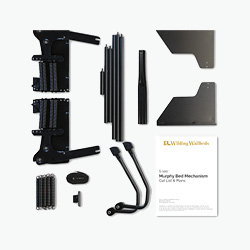
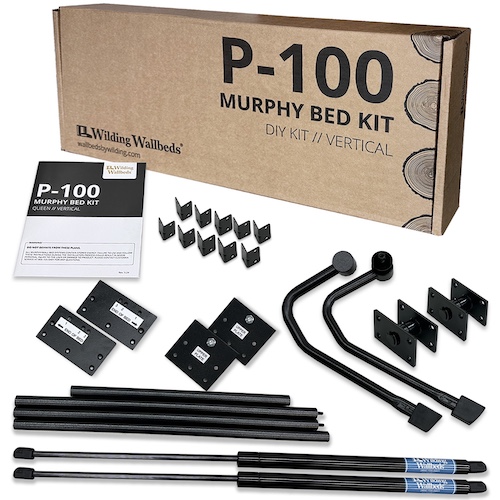
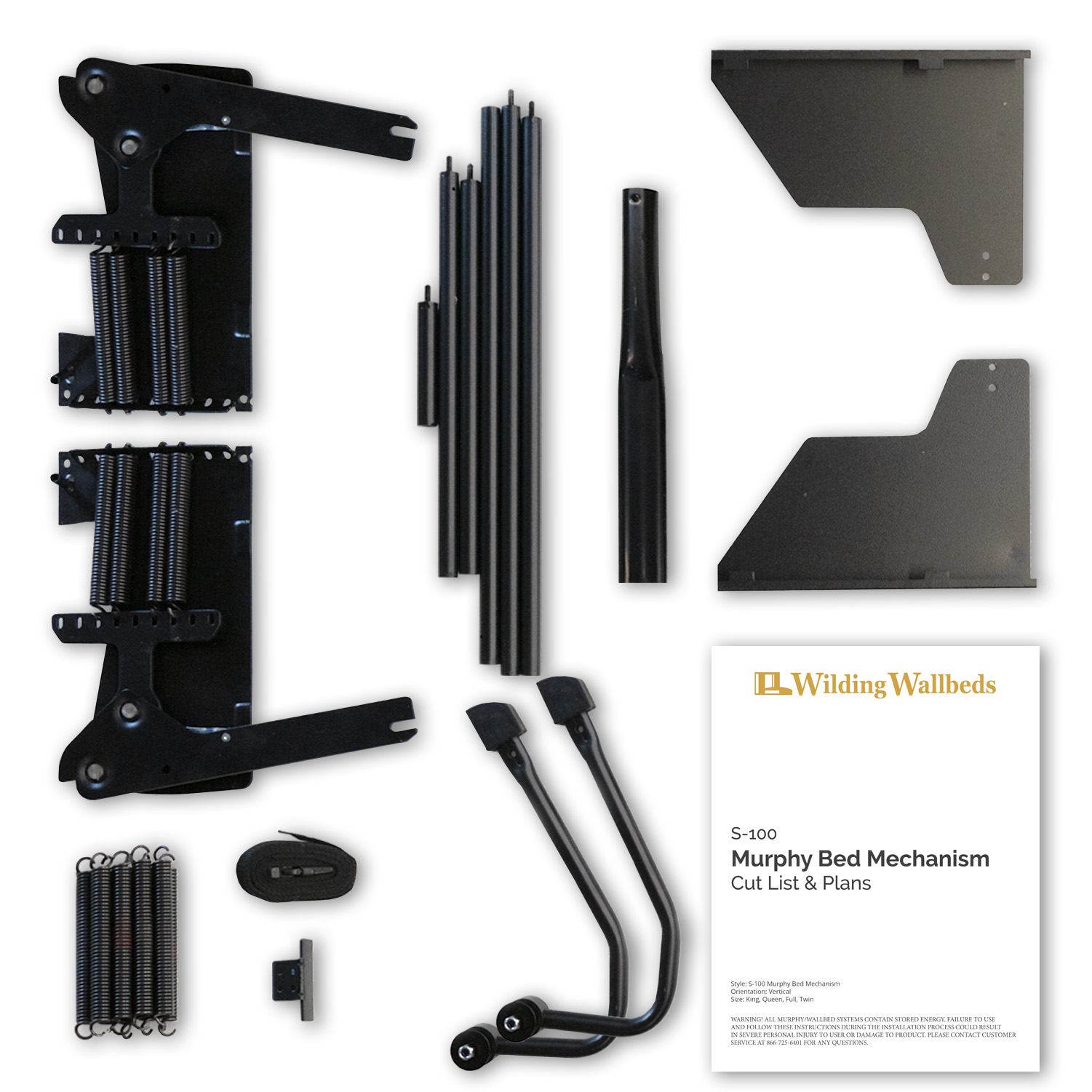
Furthermore, understanding the installation process is essential. A professional installation can prevent potential issues, yet some users attempt DIY setups without sufficient knowledge. This often leads to problems later on. Exploring reviews and expert opinions can help in identifying reliable brands, which is crucial in a market where quality varies significantly. Investing time in research will pay off when you find the perfect Murphy bed that meets both your style and functional requirements.

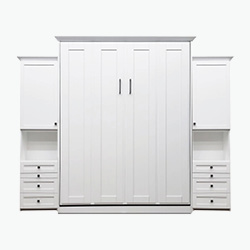
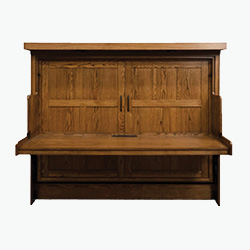
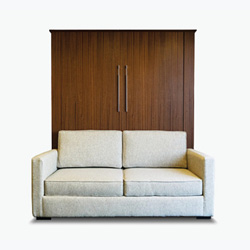
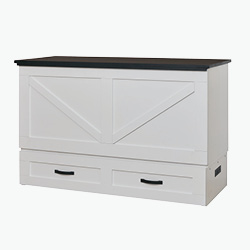
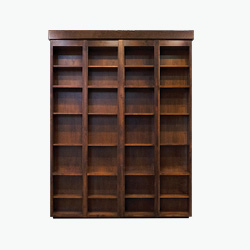
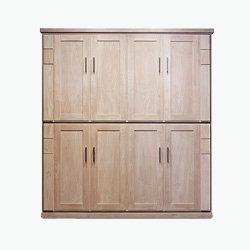
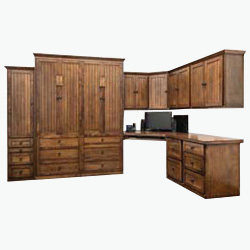
When selecting a Murphy bed in Canada, understanding the types available is crucial. There are three main types: wall beds, cabinet beds, and futon Murphy beds. Wall beds are the most common. They fold up into the wall when not in use. Cabinet beds resemble traditional cabinetry, offering a blend of style and function. Futon options combine a seating area and a bed, making them versatile.
Statistics show that nearly 45% of homeowners in urban areas face space constraints. Many opt for wall beds due to their compact design and multifunctionality. According to a 2022 report by the Canadian Furniture Manufacturer's Association, space-saving furniture, including Murphy beds, has surged in popularity. It projected a growth of 15% in sales over the next five years.
Choosing the right type may seem daunting. Each option has distinct characteristics that may not fit every home. A wall bed requires adequate wall space, while cabinet beds need extra floor area for their larger footprint. Futon beds can feel less sturdy, often leading to dissatisfaction in the long term. It's vital to carefully consider space, aesthetics, and personal preferences before making a decision.

When selecting a Murphy bed, understanding key measurements is crucial. Start by measuring your room's dimensions. Consider ceiling height as well. A bed that’s too tall can make a room feel cramped. Aim for a minimum of 7.5 feet for a comfortable space.
Another important measurement is the available wall space. Ensure the wall can accommodate the bed's width and height. Some Murphy beds require extra space for opening and closing. It's intelligent to leave a few inches of clearance on all sides for easy access. If you’re tight on space, explore options like customizable beds.
Consider also the mattress thickness. A thicker mattress can be more comfortable, but it may limit your bed's folding capability. Opt for a mattress that's no more than 10 inches thick for practical folding. Don’t underestimate the importance of weight; while heavier mattresses may feel luxurious, they can be challenging to lift regularly.
Lastly, reflect on your daily needs. Do you often have guests? A foldable design may suit your lifestyle. If you change rooms often, portability matters. Think about these elements before buying a Murphy bed. They can significantly impact your space and comfort.
When selecting a Murphy bed, the quality of the mattress is crucial for comfort and support. Studies show that a good mattress can improve sleep quality significantly. In fact, 80% of people say they feel better after a restful night on a quality mattress. Look for materials that provide both support and durability.
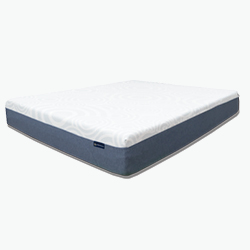
Choose a mattress with a minimum of 10 inches in thickness for optimal back support. Memory foam can offer excellent contouring, while innerspring options provide traditional support. It's essential to consider your sleeping position. Side sleepers might prefer a softer mattress, while back sleepers may need something firmer.
When evaluating mattress quality, check for certifications. CertiPUR-US and OEKO-TEX certifications can indicate a safer choice. These certifications confirm that materials are free from harmful chemicals. Moreover, consider a trial period. This allows you to test the mattress in your space, but remember that personal preference plays a significant role. What feels ideal in a store may not suit you at home.
Don’t forget to review return policies. They often vary considerably among retailers. Proper support is needed, but preferences can change. A mattress is a long-term investment, so make your choice wisely. A reliable mattress can lead to better sleep and overall health improvements.
| Tip Number | Tip Description | Mattress Type | Recommended Thickness |
|---|---|---|---|
| 1 | Consider your space availability | Memory Foam | 10 inches |
| 2 | Test the mattress material for breathability | Latex | 8 inches |
| 3 | Look for a mattress that suits your sleeping position | Innerspring | 12 inches |
| 4 | Evaluate firmness levels for support | Hybrid | 10-12 inches |
| 5 | Check for motion isolation features | Gel Infused | 10 inches |
| 6 | Consider hypoallergenic materials | Organic Cotton | 8-10 inches |
| 7 | Assess the weight for ease of use | Pocket Spring | 10 inches |
| 8 | Review the warranty and return policy | Latex | 8-10 inches |
| 9 | Ensure the mattress fits the Murphy bed frame | Memory Foam | 10 inches |
| 10 | Read customer reviews for feedback | Gel Infused | 10 inches |
When selecting a Murphy bed in Canada, consider essential features that enhance functionality and comfort. Research indicates that Canadians prioritize space-saving solutions, particularly in urban areas. A well-designed Murphy bed can maximize limited square footage while offering style. Look for a bed that easily folds down and back up, ensuring seamless transitions between day and night.
Quality construction is vital. Choose a bed made from durable materials, such as solid wood or high-grade plywood. According to a 2022 survey, 70% of homeowners reported that durability impacts their purchasing decisions. Pay attention to the mattress compatibility too. A supportive mattress can significantly affect sleep quality. Ideal mattresses for Murphy beds should be medium-firm, with a thickness of 10-12 inches.
Safety features are also paramount. Ensure the bed is equipped with a secure locking mechanism to prevent accidental openings. Adding guardrails can enhance safety, especially for children or pets. Aesthetics should not be overlooked either; selecting customizable finishes can help the bed complement your decor. Balancing functionality with design can be challenging, yet it’s essential for satisfying long-term needs.
When budgeting for a Murphy bed in Canada, understanding the cost factors is vital. Prices can vary significantly. Consider materials, size, and additional features. Quality beds may start around $1,000, while custom options could exceed $3,000. Assess how often you'll use the bed. This will influence your investment.
Tip: Always measure your space carefully. A bed that fits well enhances functionality. Think about the room's layout. Is there enough clearance to open and close the bed easily? Also, consider installation costs. Some DIY options exist, but professional help may be necessary.
Look for sales or promotions. Patience pays off. Reading customer reviews can also guide your decision. Focus on feedback about durability and comfort. A bed that’s affordable but uncomfortable may lead to regrets later. Weight your options but remember – quality often trumps price. Your needs and space should drive your final choice.
Sorry. This form is no longer accepting new submissions.
Fill out the form below and we'll have one of our experts contact you as soon as possible.