How to Choose the Best Parking Tent for Your Needs?
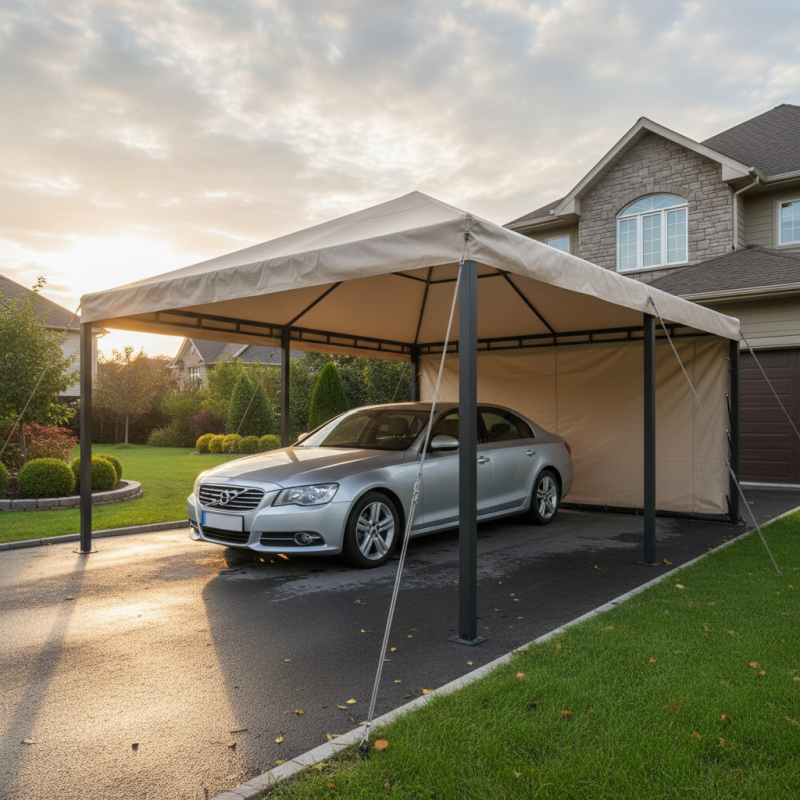
Choosing the right Parking Tent can be a daunting task. With numerous options available, how do you find the perfect fit? A parking tent offers essential protection for your vehicle. It shields against harsh weather, UV rays, and environmental debris.
When considering a parking tent, think about the size and durability. Will it accommodate your vehicle comfortably? A well-constructed tent can withstand strong winds and heavy rain. Explore materials, as they greatly impact longevity. Canvas and polyethylene options are popular for their resistance to wear and tear.
However, finding the ideal tent also requires reflection. Consider your climate and usage frequency. You may discover that a heavy-duty tent is not necessary for mild conditions. A lighter option might suffice. While convenience is key, don’t overlook quality. Remember, investing in a reliable parking tent pays off in the long run.
Understanding Your Parking Tent Requirements
When selecting a parking tent, understanding your specific needs is vital. Factors such as size, material, and purpose will significantly influence your choice. According to a report from the Outdoor Industry Association, about 70% of outdoor tent buyers prioritize durability and weather resistance. This means you must assess the typical weather conditions in your area.
Ensure the tent size accommodates your vehicle comfortably. A standard car requires at least 10x20 feet, while larger vehicles may need more space. Remember, installing too small a tent can lead to damage from exposure. Not every consumer thinks about this, but proper dimensions are essential for long-term use.
Tip: Before purchasing, check the tent’s warranty and customer reviews. This could provide insight into its real-world performance.
Material choice is also crucial. Fabric made from high-quality polyethylene or polyester guarantees longevity. According to industry studies, tents made with these materials have a lifespan of 5 to 10 years with proper care. However, many users underestimate maintenance requirements, leading to premature deterioration.
Tip: Regularly inspect your tent for tears and leaks. Simple repairs can extend its life significantly.
Choosing the right parking tent isn't always straightforward. Consider finding a tent that balances affordability with quality. Inexperienced buyers often chase the cheapest option, which can backfire.
Assessing Size and Space for Your Parking Tent
When selecting the right parking tent, size plays a crucial role. According to industry reports, over 40% of parking tent users face space issues. Choosing the correct dimensions ensures a snug fit for your vehicle while providing ample headroom. A standard parking tent typically ranges from 10x10 feet to larger 20x30 feet models. However, it’s essential to consider both the dimensions of your vehicle and the available area. A tight squeeze can lead to accidental scratches or dents.
Understanding your space is vital. Measure your parking area carefully. Ensure there’s enough room around the tent for easy access. Many users overlook this aspect, resulting in inconvenience. Reports indicate that almost 30% of buyers regretted not measuring their space properly. Also, consider how the tent will perform in various weather conditions. A well-sized tent can withstand wind and rain, especially in regions prone to harsh elements.
Evaluating other factors is also important. Think about potential obstructions like trees or fences. They can limit the tent’s height and overall space. Look for tents designed with tall vehicles in mind if necessary. Ultimately, choosing the best parking tent requires an honest assessment of size, space, and potential hurdles. This diligence will provide a more secure and effective shelter for your vehicle.
Materials and Durability Factors in Parking Tents
Choosing the right parking tent involves understanding materials and durability. The frame often determines strength. Aluminum frames are lightweight yet sturdy. Steel frames offer more durability but can be heavy. Consider how often you will use the tent. A temporary setup may only need a lighter frame.
The canopy material plays a crucial role. Look for UV-resistant fabrics to protect your vehicle. Water-resistant materials ensure dryness during rain. Some tents use reinforced seams for added durability. Take note that cheaper materials may wear out faster. This can lead to unexpected costs later.
Don't overlook ventilation. Proper airflow prevents mold. Some tents feature mesh panels for breathability. It’s essential to think about storage. A compact design is useful when space is limited. Always check reviews for real-world performance. Your parking tent must adapt to your specific needs. Be ready to reevaluate your expectations.
How to Choose the Best Parking Tent for Your Needs? - Materials and Durability Factors in Parking Tents
| Material | Durability Rating (1-5) | Weather Resistance | UV Protection | Weight | Cost (Approx.) |
| Polyester | 4 | Good | High | Lightweight | $100 - $300 |
| Canvas | 5 | Excellent | Medium | Moderate | $200 - $500 |
| PVC | 4 | Very Good | High | Heavy | $150 - $400 |
| Nylon | 3 | Good | Very High | Lightweight | $80 - $250 |
| Polyethylene | 3 | Fair | Low | Lightweight | $50 - $150 |
Ease of Setup and Portability Considerations
When choosing a parking tent, setup ease and portability are crucial. A tent that is difficult to assemble can cause frustration, especially during unpredictable weather. Look for designs that can be set up in minutes, even by one person. Features like color-coded poles and simple connectors can make a significant difference in the process. A tent that comes with a user-friendly guide can enhance your experience.
Portability is another key factor. Consider the tent's weight and the space it occupies when packed. A tent that fits easily in your vehicle allows for flexibility in use. It’s also wise to check the carrying case. A durable, compact case is essential for hassle-free transport. Some tents can be bulky, which limits their usability.
Remember, not all tents suit everyone's needs. Reflect on your specific situation. If you frequently move, prioritize lightweight options. If you often park at home, weight may be less critical. Find the balance that works best for you. Small features can change the way you use your parking tent. Emphasize ease and adaptability for a better parking experience.
Budgeting: Cost vs. Features in Parking Tents
When selecting a parking tent, budgeting can be challenging. Many options exist at different price points. Generally, higher costs often come with additional features. It's easy to assume a more expensive tent is automatically better. However, this isn't always the case. Spending more doesn't guarantee better quality or durability.
Consider your specific needs first. Do you require extra space or wind resistance? If so, investing in superior materials may be justified. A tent with added ventilation might be helpful in hot climates. However, for occasional use, a basic model may suffice. Think about how often you will use it. Sometimes, a well-reviewed budget option can outperform pricier alternatives.
It’s essential to weigh features against costs carefully. Look for customer reviews that discuss longevity and ease of use. Remember that a tent may look great, but functionality matters more. Often, the cheapest option has hidden drawbacks. Reflect on these details and choose wisely to avoid disappointment.
Choosing the Best Parking Tent: Cost vs. Features