How to Choose the Best Murphy Wall Bed for Your Space?
Choosing the best Murphy wall bed for your space can be challenging. With various designs and functionalities available, it’s not just about aesthetics. Consider your room size, layout, and purpose. This bed can transform a small room into a multifunctional area.
A Murphy wall bed offers convenience and flexibility. You can host guests without sacrificing daily living space. However, selecting the right one requires careful thought. The bed should fit your design style while remaining practical. Pay attention to materials and build quality. A strong, reliable bed ensures years of use.
Remember, every space is unique. What works for one may not work for another. Take the time to measure your area accurately. Reflect on how often you'll use the bed. A well-chosen Murphy wall bed can enhance your home and lifestyle. But making the wrong choice can lead to disappointment.
Understanding Murphy Wall Beds: Features and Benefits
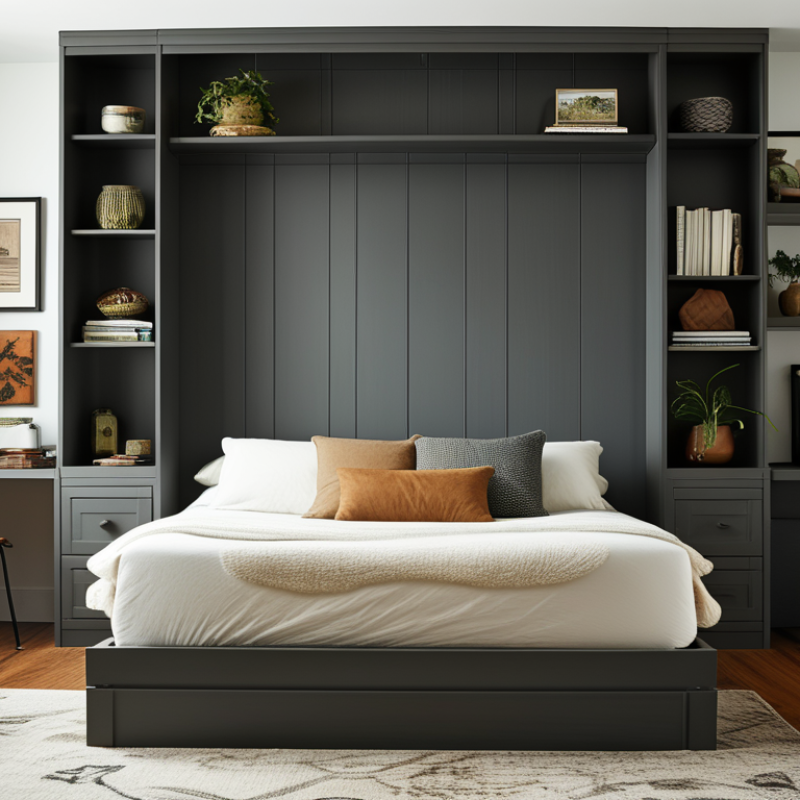
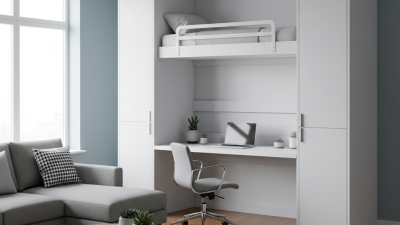
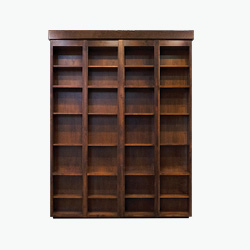
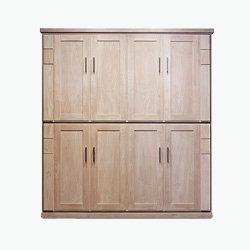
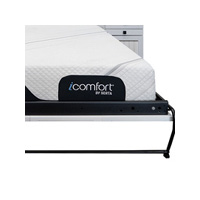
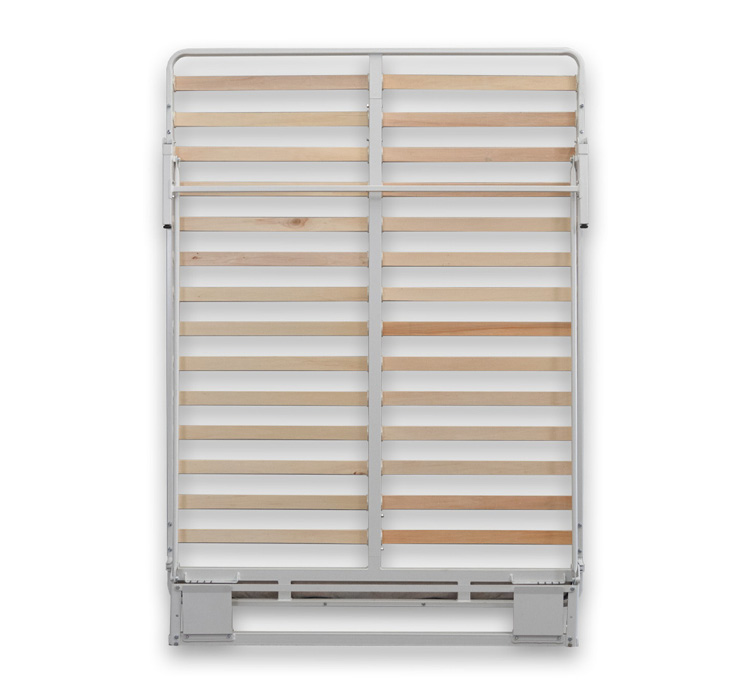
Murphy wall beds are designed to save space while providing comfort. They fold up into the wall when not in use, transforming a room. These beds often include additional features, such as built-in storage or shelves. This makes them even more practical for small living areas. Their versatility can enhance functionality in a guest room or studio apartment.
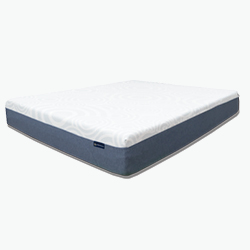
When choosing a Murphy wall bed, consider your room's dimensions. Measure the available space to ensure a perfect fit. Additionally, think about the bed's weight capacity and mattress type. This ensures comfort and support for a good night's sleep.
Tip: Consider customization options. A bed that suits your style can complement your decor. Also, pay attention to the ease of installation. A complex setup can be frustrating.
Finally, evaluate the quality of materials used. Durable construction ensures long-lasting use. Lightweight design aids in easy operation. Knowing these features helps you make informed decisions.
Assessing Your Space: Dimensions and Design Considerations
When selecting a Murphy wall bed, understanding your space is crucial. Begin by measuring your room's dimensions. Many experts suggest leaving at least 60 inches of clearance when the bed is extended. This keeps pathways clear and allows for comfortable movement. According to a recent industry report, proper clearance helps avoid accidents and enhances usability.
Design elements also play a significant role. Consider the aesthetics of your room. Opt for a style that complements existing furniture. A 2022 design survey indicated that 75% of homeowners prefer customized options that blend seamlessly into their decor. This approach can increase both the functionality and visual appeal of your space.
Reflecting on the potential challenges is essential. Wall beds can sometimes overwhelm smaller rooms if not chosen wisely. A common pitfall is not accounting for other furniture when the bed is down. Some users report feeling cramped with limited space. It may be helpful to sketch a layout before making a purchase. This practice ensures that the Murphy bed integrates well without creating clutter.
Choosing the Best Murphy Wall Bed: Space Considerations
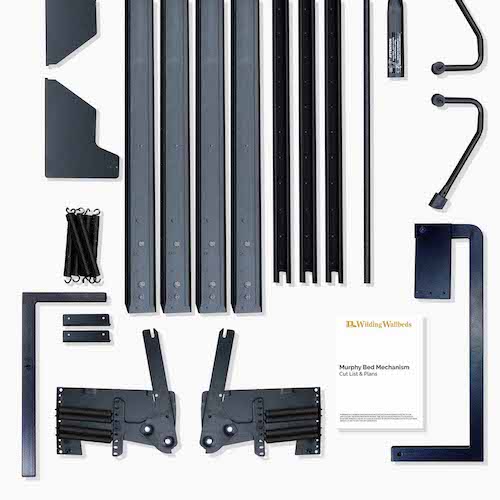
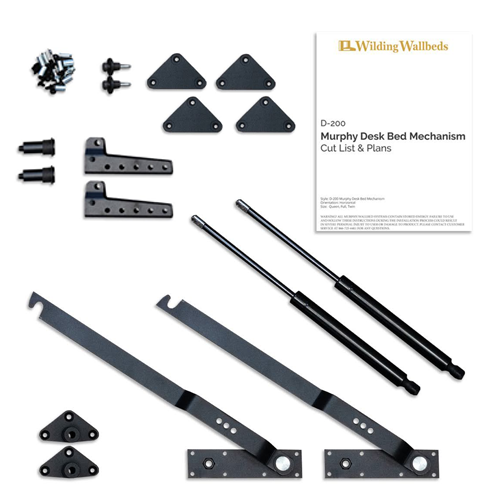
Choosing the Right Mechanism: Different Types of Murphy Beds
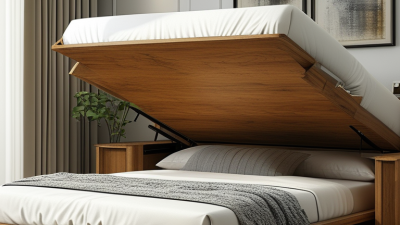
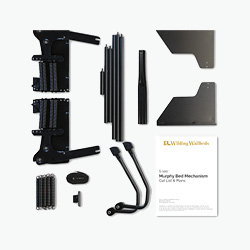
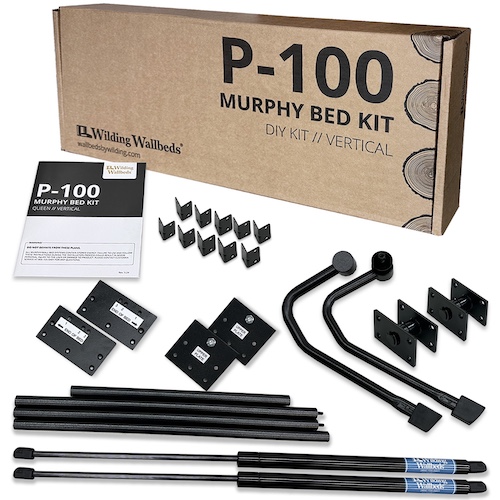
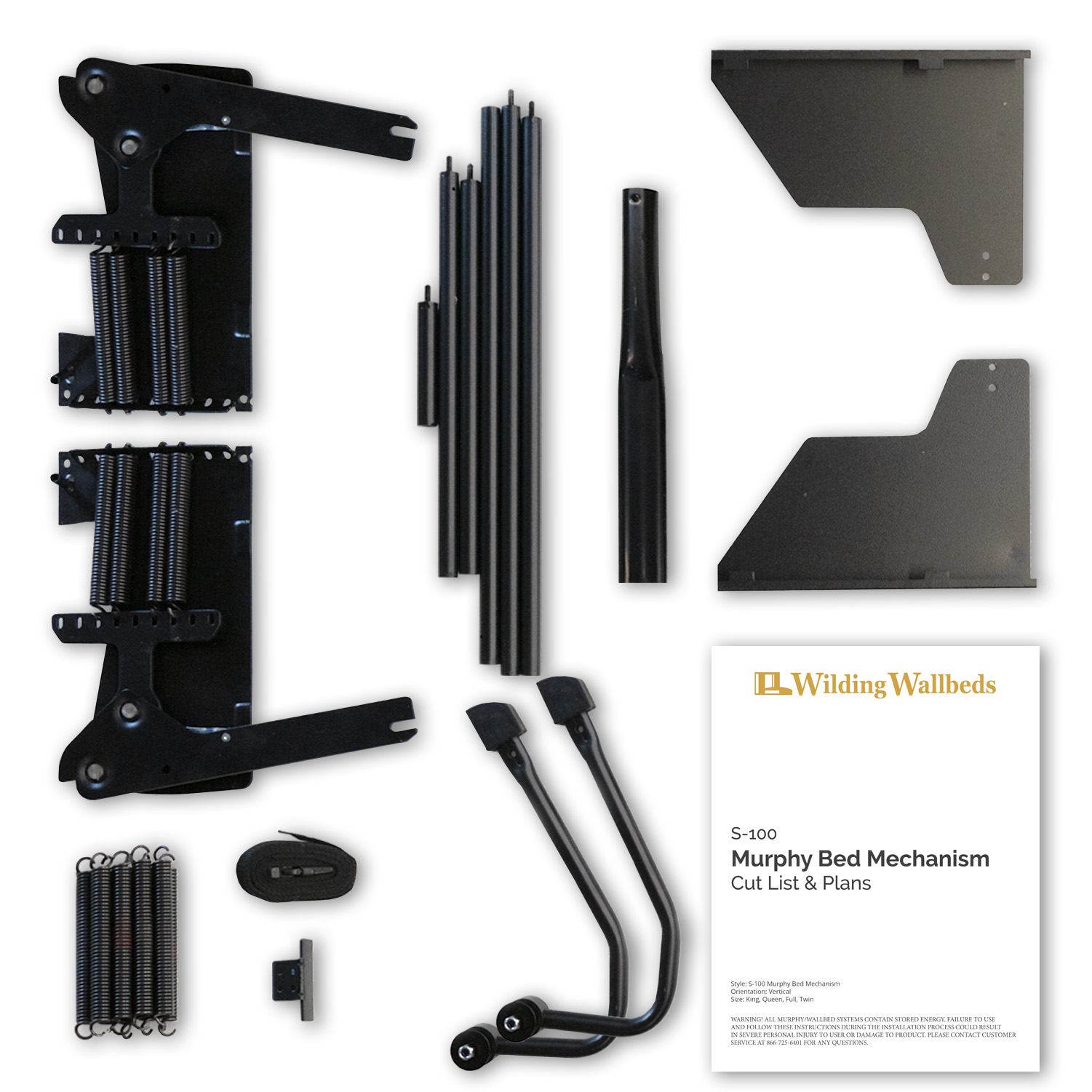
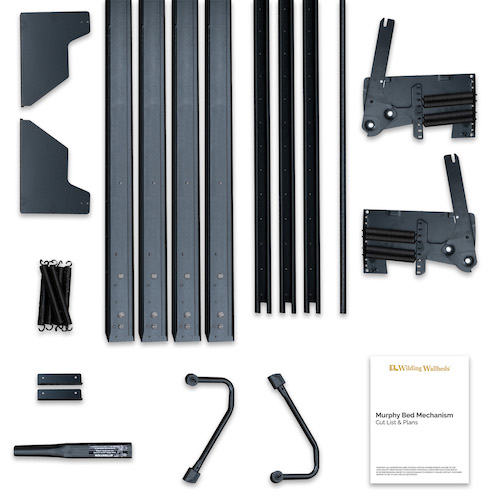
When selecting a Murphy bed, consider the mechanism type. There are various options available, including traditional spring mechanisms and more modern piston systems. A report from the Home Furniture Association indicates that over 70% of consumers prefer ease of use and safety in furniture design. Choosing a bed with the right mechanism ensures not only comfort but also durability.
Traditional Murphy beds often utilize a spring-based system. This type can be quite reliable but may require regular adjustments. In contrast, piston mechanisms offer smoother operation. They allow the bed to be lifted and lowered with minimal effort. According to a recent consumer survey, 65% of users find piston mechanisms more user-friendly and reliable. However, the initial cost might be higher. It is crucial to weigh functionality against budget.
Additionally, consider the weight of the bed. Heavier models may indicate sturdier frames, but they can be challenging to operate. If you're not physically able to lift heavy furniture, this may pose a problem. Furthermore, understanding the space where the bed will be installed is vital. Measure carefully to avoid any fit issues. Some families report surprise at how much space a bed can occupy when opened. Proper planning can greatly enhance living spaces.
Materials and Aesthetics: How to Match Your Decor
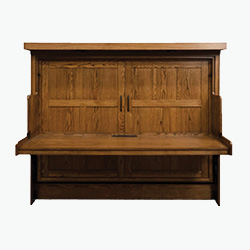
Choosing the right Murphy wall bed for your space involves considering both materials and aesthetics. When thinking about materials, focus on sturdiness and ease of maintenance. Solid wood options offer a classic look but can be heavier. Meanwhile, lighter materials like engineered wood or metal may serve modern designs better. The finish matters, too. A sleek, matte finish might suit minimalist decor, while a glossy surface can brighten a room.
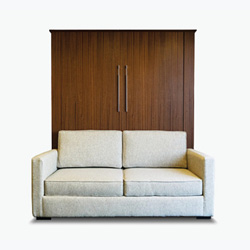
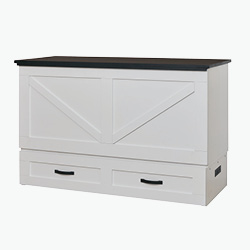
Aesthetics play a crucial role in selecting a Murphy bed. Color options should align with your existing decor. If your walls are painted in soft tones, a stark white bed might clash and feel out of place. Choosing a design that complements your furniture can create harmony in your space. Textures add another layer of visual interest. A bed with upholstery might soften the room compared to a completely wooden version.
However, not all designs will fit perfectly into every room. It’s essential to measure your space accurately to avoid surprises. Even a well-chosen bed may not look right if the proportions are off. Consider how different styles can change the room's overall vibe. A heavy, bulky bed can overwhelm a small area, making it feel cramped. Reflect on your decor style and choose wisely.
Budgeting for a Murphy Wall Bed: Cost vs Value Considerations
When budgeting for a Murphy wall bed, understanding costs and values is crucial. These beds can vary significantly in price based on materials and features. A high-quality bed might cost more upfront but offer better durability and functionality. Weighing long-term benefits against initial expenses helps in assessing value.
Here are some tips to consider while budgeting:
- Assess your space. Measure available areas before purchasing to avoid impractical choices.
- Read reviews. User opinions often reveal insights about product performance over time.
- Look for warranties. A good warranty can protect your investment and indicate a manufacturer’s confidence in their product.
Sometimes, a budget brand might seem appealing. Yet, it may not meet your durability needs. Think about how often you’ll use it. A cheaper option might save money now but could fall apart or disappoint later. It's important to balance immediate budget constraints with future needs. Pay attention to the design elements as well—these can impact both aesthetics and functionality.