How to Choose the Best Glass Window for Your Home?
Choosing the right glass window for your home is more than a mere aesthetic decision. It's about making a significant investment that affects comfort, energy efficiency, and even security. Glass windows can transform your living space, allowing natural light to flood in. They can enhance the architectural beauty of your home, contributing to both interior and exterior appeal.
When selecting a glass window, consider your local climate, as this influences the type of glass that will best serve your needs. For instance, double-glazed windows improve insulation in colder regions, while tinted glass can reduce heat in sunny areas. However, it’s essential to balance functionality with style. Some homeowners prioritize appearance, sometimes overlooking energy efficiency.
Experience often guides these choices, but it's crucial to rely on expert advice as well. Research different materials, designs, and brands thoroughly. Look for warranties and energy ratings to ensure quality. Remember, the decision you make today affects your living environment for years to come. Trust in established manufacturers to provide reliable glass windows for your home.
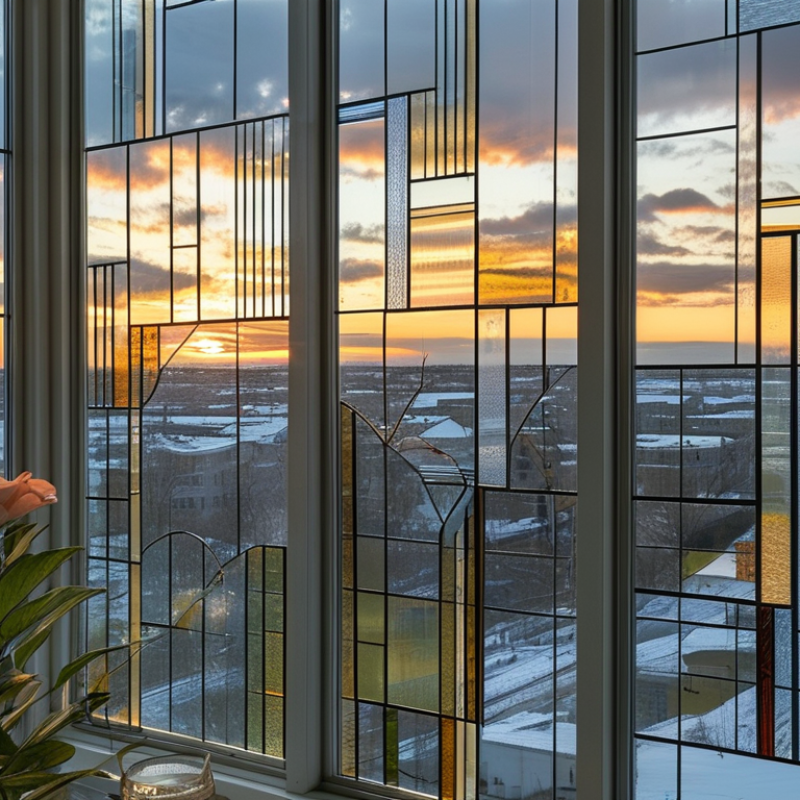
Understanding Different Types of Glass Windows: An Overview of Options
When selecting glass windows for your home, it's crucial to understand the available options. There are several types of glass that cater to different needs. Single-pane glass is the most basic choice. While it's simple and affordable, it has poor insulation. Homes in colder climates may find this option lacking.
Double-pane glass is more efficient. Research shows that homes with double-pane windows can improve energy efficiency by up to 40%. This type features two layers of glass, reducing heat loss. In contrast, triple-pane windows enhance insulation even further. They are ideal for extreme weather conditions but come at a higher cost.
Another option is low-emissivity (Low-E) glass. This type reflects heat and UV rays. According to industry reports, Low-E glass can save homeowners up to 25% on their heating and cooling costs. However, choosing the right glass requires weighing these benefits against potential expenses. Consider factors like climate, energy bills, and aesthetics when making your decision.
Types of Glass Windows Used in Homes
Evaluating Energy Efficiency: U-Values and Solar Heat Gain Coefficients
When selecting glass windows, energy efficiency is crucial. Two key metrics to consider are U-values and Solar Heat Gain Coefficients (SHGC). U-values measure thermal insulation. Lower U-values indicate better insulation, which translates into reduced energy costs. For homes in colder climates, a U-value below 0.30 is often recommended.
On the other hand, SHGC reflects how much solar heat enters your home. A lower SHGC value means less heat gain. In warmer climates, an SHGC below 0.25 is advantageous for maintaining cooler indoor temperatures. However, a balance is essential. If you live in a mixed climate, selecting windows with moderate U-values and SHGC can optimize comfort and energy usage.
Tips: Consider your climate. Consult local energy codes for guidance. Look for windows with dual-pane glass, as they often offer better insulation. Additionally, think about the orientation of your windows. South-facing windows can maximize passive solar gain, while north-facing ones can minimize it.
Regularly checking the condition of your windows is vital. Damaged seals can lead to energy loss, undermining efficiency gains. The right choice greatly impacts your comfort and wallet.
Comparing Durability and Weather Resistance in Glass Window Materials
When selecting glass windows, durability and weather resistance are crucial factors. Different materials offer varying levels of strength against the elements. For instance, tempered glass is much tougher than standard glass. It withstands impacts better, making it a popular choice for homes in storm-prone areas.
In terms of weather resistance, low-emissivity (low-E) glass effectively minimizes heat transfer. This feature helps maintain indoor temperature, reducing energy costs. However, low-E glass can be more expensive upfront. This aspect may deter some homeowners, but the long-term savings often outweigh initial costs.
Another point of consideration is the frame material. Vinyl frames provide great insulation but may warp over time. Wooden frames are aesthetically pleasing but often require maintenance. It's essential to weigh the long-term impact of these choices on your home. Reflecting on these materials can lead to a more informed decision.
Selecting the Right Glass Thickness for Sound Insulation and Safety
Choosing the right glass thickness is vital for sound insulation and safety. Thicker glass can effectively reduce external noise. It creates a barrier that muffles sounds from traffic or noisy neighbors. This improvement enhances your home's comfort level. Many homeowners overlook this aspect when selecting windows.
It's essential to consider safety as well. Thicker glass panes are less susceptible to breaking. However, they can be heavier and may require stronger frames. The aesthetic aspect might also be affected. Weigh your priorities between soundproofing and the overall design of your home. Explore options like laminated glass, which combines thickness with added protection.
Balancing sound insulation and safety means acknowledging trade-offs. A thicker glass will usually cost more and may limit your design choices. Reflect on your specific needs. Consider your environment and lifestyle. Each decision should align with your goals for your living space. It's all about creating a safe, peaceful home.
Cost Analysis: Balancing Upfront Investment with Long-Term Savings
Choosing the right glass window can have significant implications for both cost and energy efficiency. A recent report by the U.S. Department of Energy indicates that energy-efficient windows can reduce heating and cooling costs by 12% to 33%. However, the initial investment in these high-performance windows can be substantial, often ranging from $300 to $1,000 per window.
Homeowners must weigh these upfront costs against potential long-term savings. For example, while standard windows may be cheaper, they often have higher energy bills due to poor insulation. The payback period for investing in energy-efficient glass can be anywhere from 5 to 10 years, depending on local energy costs. This analysis highlights the complexity of decision-making. Sometimes, the most affordable option leads to higher expenses over time.
In addition, it’s essential to consider the overall impact on home value. Energy-efficient features can increase a home’s marketability. Data show that homes with energy-efficient windows sell for up to 10% more than those without. However, not all investments yield returns. Depending on the construction and local market trends, some may struggle to recover their initial costs. Balancing these factors is crucial for homeowners navigating this decision.