When considering materials for your next project, Indoor wpc wall panels stand out for various reasons. These innovative panels, made from wood-plastic composite, combine beauty with durability. They offer a modern aesthetic that enhances the look of any space, making them ideal for both residential and commercial projects.
The appeal of indoor WPC wall panels lies in their practical benefits. They resist moisture, making them suitable for humid environments. This feature prevents mold and mildew, ensuring a healthier indoor atmosphere. Easy installation is another advantage. With basic tools, you can achieve a stunning wall finish quickly.
Yet, it’s essential to reflect on your specific needs. While indoor WPC wall panels are versatile, they may not fit every style. Some might prefer traditional materials that showcase natural wood. Evaluating your project’s context will help you make the best choice. Ultimately, indoor WPC wall panels offer a blend of style, function, and low maintenance that could suit many projects.
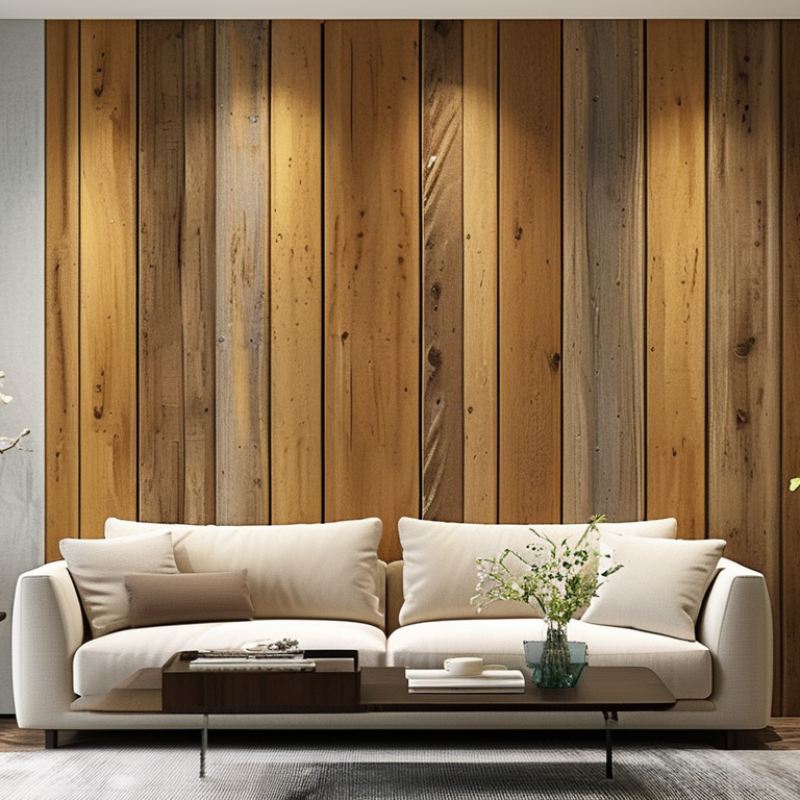
Indoor WPC wall panels are gaining popularity in various projects. They offer a unique combination of aesthetics and functionality that traditional materials cannot match. According to industry reports, WPC (Wood Plastic Composite) panels can reduce construction waste by up to 30%. This is a significant improvement for architects focused on sustainability.
One of the key advantages of WPC panels is their durability. Unlike traditional wood, WPC is resistant to moisture, insects, and rot. Research indicates that these panels can last over 25 years with proper maintenance. This longevity can lead to lower lifecycle costs. However, not all WPC products are created equal. It's essential to choose those that meet quality standards to ensure reliability.
Tips: When selecting WPC panels, consider fire ratings and environmental certifications. Not all WPC products are equally safe. Be aware that some may not meet stringent safety guidelines. Always request data sheets or certifications before purchasing. Evaluating your choices can save you from future problems.

Indoor WPC wall panels offer superior durability and low maintenance. Made from wood-plastic composites, they resist moisture and insects. According to industry reports, these panels can last up to 25 years with proper care. This makes them a great choice for various indoor applications.
Maintenance is minimal with WPC panels. A simple wipe with a damp cloth can remove most stains. Traditional wood panels often require sealing and painting, which can be time-consuming and costly. In contrast, WPC panels do not need frequent treatments. This saves homeowners both time and money.
**Tip:** Ensure proper installation to maximize the lifespan of WPC panels. It's important to follow guidelines strictly for optimal performance. Regularly inspect the panels for any signs of wear. This proactive approach can prevent larger issues down the line.
Indoor WPC wall panels offer exceptional aesthetic versatility. They can transform any space into a stylish environment. Customization options abound, making them suitable for various themes and designs. Whether you prefer a natural wood finish or a sleek modern look, these panels can meet your needs. You can mix colors and textures to create unique combinations.
When designing with WPC panels, consider how lighting affects their appearance. Natural light can emphasize textures and colors. Darker shades may require artificial lighting to stand out. Don't hesitate to experiment with different arrangements before finalizing your design. Mixing horizontal and vertical panels can add depth and interest.
Tips: Focus on functionality. Think about how the panels will be used. In high-traffic areas, durability is essential. Ensure you select finishes that are easy to clean. Remember to keep the flow of your space in mind. A cohesive design leads to a welcoming atmosphere. It could take a few tries to get it right, but the end result will be worth it.
| Feature | Description | Benefits |
|---|---|---|
| Aesthetic Appeal | Available in various textures and finishes, mimicking natural wood and other materials. | Enhances the visual appeal of interiors, allowing for creative designs. |
| Customization | Custom sizes, colors, and designs can be created to meet specific project needs. | Provides flexibility to suit individual styles and themes for different spaces. |
| Durability | Resistant to moisture, insects, and wear, making it ideal for various environments. | Ensures long-lasting performance with minimal maintenance required. |
| Eco-Friendly | Made from recycled materials, reducing environmental impact. | Promotes sustainability in construction and design. |
| Ease of Installation | Lightweight panels make for quick and easy installation processes. | Saves time and labor costs during the construction phase. |
Choosing WPC (Wood Plastic Composite) wall panels for your indoor project can be a sustainable choice. WPC materials are often made from recycled plastics and wood fibers. This minimizes waste and reduces the demand for new raw materials. By opting for WPC, you support eco-friendly practices in the construction industry.
The production process for WPC is less harmful compared to traditional materials. It uses lower energy and generates fewer carbon emissions. However, it is crucial to ensure that the recycling process is done responsibly. Not all WPC products are created equally in terms of sustainability. Consumers must verify the sourcing of the materials and the manufacturing practices involved.
In indoor applications, WPC wall panels offer durability and require less maintenance than wood. This longevity translates to less frequent replacements, further benefiting the environment. Reflecting on these choices helps us consider the broader impact of our materials. It also encourages ongoing discussions about effective recycling and responsible sourcing practices. Choosing wisely can lead to better outcomes for both our projects and the planet.
When planning your next project, consider the financial implications of different materials. Indoor WPC wall panels stand out for their cost-effectiveness. They come with lower maintenance costs compared to traditional materials. This benefit can translate into significant savings over time. WPC panels are also highly durable and resistant to moisture and pests, which reduces replacement expenses.
These panels require minimal upkeep. A simple wipe down is often enough to keep them looking fresh. This ease of maintenance appeals to both homeowners and commercial project managers. Additionally, WPC panels offer impressive insulation properties. They can help reduce energy costs by keeping indoor temperatures stable.
While WPC panels provide many advantages, it’s important to research installation processes. Hiring skilled professionals can ensure proper fitting, which maximizes longevity. Some may find upfront costs higher than other materials. However, long-term savings usually offset this initial investment. Thoughtful planning and quality installation can lead to a financially sound choice.
Sorry. This form is no longer accepting new submissions.
Fill out the form below and we'll have one of our experts contact you as soon as possible.