What is the Best Hotel Outdoor Seating for Your Guests?
In the competitive hospitality industry, the importance of exceptional Hotel Outdoor Seating cannot be overstated. According to industry expert Sarah Thompson, a designer who specializes in hotel environments, "Comfortable outdoor seating can enhance guest experiences and increase their stay duration." This highlights the critical role that thoughtfully designed outdoor areas play in attracting and retaining guests.
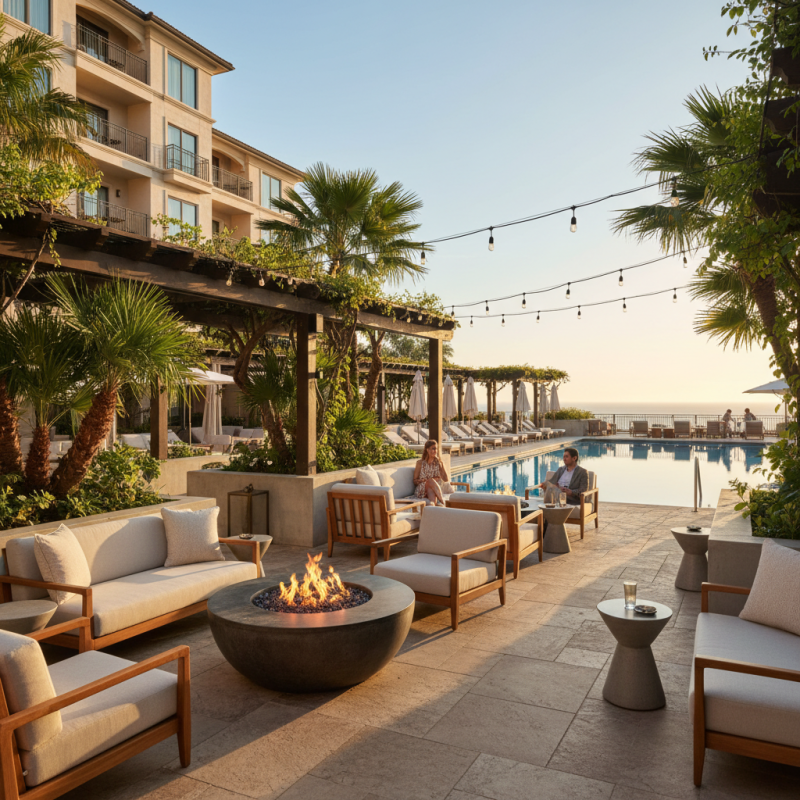
Guests today crave more than just a room; they seek unique experiences. Well-designed Hotel Outdoor Seating areas provide a space for relaxation and social interaction. Elements like fire pits, lounge chairs, and greenery create inviting atmospheres. Abrupt transitions or poorly chosen furnishings can detract from this experience, leading to dissatisfaction.
It’s essential to balance aesthetics with function when selecting seating. Choices must consider comfort, durability, and local climate. Reflecting on these aspects can refine your design, but mistakes happen. Frequent evaluations of space usage can lead to necessary adjustments over time. Ultimately, creating the ideal Hotel Outdoor Seating can transform a hotel’s appeal, making it a memorable destination for guests.
Choosing the Right Location for Outdoor Seating in Hotels
When considering outdoor seating for hotels, location is key. A strategic placement can enhance the guest experience significantly. According to a recent report by the American Hotel and Lodging Association, nearly 70% of guests prefer outdoor areas that offer views of natural landscapes or city skylines. This preference highlights the need for hotels to prioritize scenic locations for their seating arrangements.
Factors such as sunlight, wind exposure, and proximity to noise can impact guest enjoyment. A study published by the Journal of Hospitality and Tourism Research observed that poorly positioned spaces led to a 30% decrease in customer satisfaction. Guests often complained about uncomfortable temperatures or distractions from nearby traffic. Thus, choosing locations with natural shade or windbreaks can create a more enjoyable atmosphere.
Furthermore, clever spacing encourages social interaction without overcrowding. A design that supports comfort and privacy can be vital. According to hospitality experts, well-planned seating layouts increase guest retention. However, it is crucial to strike a balance between open spaces and intimate settings. Reflecting on these aspects can guide hotels in creating inviting outdoor environments that truly resonate with their guests.
Types of Outdoor Seating Options: Pros and Cons
Creating an inviting outdoor seating area is pivotal for hotels seeking to enhance guest experiences. The right choices cater to comfort and aesthetics. Common outdoor seating options include traditional tables and chairs, lounge seating, and fire pits. Each has its own unique advantages and drawbacks.
Traditional tables and chairs are versatile for dining spaces. They create a classic environment that supports outdoor meals. However, they can feel rigid and lack comfort for extended use. A survey by Hospitality Insights found that hotels with more casual seating arrangements report a 30% increase in guest satisfaction. Meanwhile, lounge seating offers comfort and a relaxed vibe. It is ideal for socializing. Yet, it may require more space and upkeep, especially in areas with varying weather conditions.
Fire pits represent an appealing option, combining warmth and atmosphere. They encourage social interaction among guests. However, they can pose safety concerns and need vigilant maintenance. Upkeep costs for outdoor seating can creep up, and choosing durable materials is crucial for long-term investments. A study by the Outdoor Furniture Association noted that nearly 20% of hotel operators regret not investing in higher-quality furnishings early on. This reflects the necessity for thoughtful decision-making in outdoor seating selection.
Factors to Consider for Comfort and Aesthetics
When designing hotel outdoor seating, comfort and aesthetics are paramount. Choose furniture that invites guests to relax. Consider ergonomic designs with soft cushions. These details enhance the overall experience. Natural materials like wood and rattan can create a warm atmosphere. Bright colors and patterns can uplift the mood.
Lighting is another critical factor. Proper outdoor lighting can set the ambiance. Soft, warm lights create a cozy feel. String lights or lanterns add a touch of elegance. It's important to ensure adequate shading for sunny days. Umbrellas or awnings can shield guests from harsh sunlight.
Lastly, think about the layout. Seating should encourage social interaction. Group seating arrangements can foster conversation. Spaces must be accessible for everyone. Sometimes, less is more. Too much furniture can lead to clutter. Balancing open space with comfortable seating is essential.
What is the Best Hotel Outdoor Seating for Your Guests? - Factors to Consider for Comfort and Aesthetics
| Seating Type | Material | Comfort Level | Aesthetic Appeal | Weather Resistance |
| Lounge Chairs | Aluminum, Fabric | High | Modern | Yes |
| Dining Sets | Wood, Wicker | Medium | Rustic | No |
| Benches | Metal, Wood | Medium | Traditional | Yes |
| Umbrella Tables | Plastic, Aluminum | High | Contemporary | Yes |
| Resort-style Cabanas | Natural Fibers, Canopy | Very High | Luxurious | Moderate |
Enhancing Guest Experience with Outdoor Amenities
Creating a memorable outdoor experience for guests is essential in the hospitality industry. Comfortable seating arrangements are at the core of this. Consider various styles like loungers or communal tables. The choice can significantly impact how guests engage with each other. Each seating area should provide a unique atmosphere, whether it's cozy corners or vibrant gathering spots.
Incorporating elements like greenery and water features can enhance the experience. Guests often appreciate a well-maintained outdoor space. It adds a soothing ambiance.
Lighting is another critical factor. Soft, warm lights can create a welcoming environment in the evening. However, it’s crucial to avoid overly bright or harsh lighting.
While designing outdoor seating, reflect on functionality. The layout should facilitate conversation yet allow privacy. Think about the flow of movement as guests navigate through the space. Sometimes, less is more. A clutter-free environment can lead to a more enjoyable experience.
It’s worth considering the local climate as well. Ensure that seating is comfortable year-round, with shade in summer and warm elements in cooler months.
Maintenance and Sustainability for Outdoor Seating Areas
Creating an inviting outdoor seating area is essential for any hotel. It enhances the guest experience while also requiring mindful maintenance and sustainability practices. Selecting durable materials for outdoor furniture is a key factor. Wood, metal, and high-quality synthetic fibers can withstand the elements. However, regular maintenance is crucial to ensure longevity. Signs of wear should not be ignored. Check for rust, fading, or deterioration to ensure safety and comfort.
When considering sustainability, choose eco-friendly materials and furnishings. Recycled materials can minimize environmental impact while providing style. Incorporating plants can add beauty and improve air quality. Additionally, consider using energy-efficient lighting to illuminate these spaces at night. Utilize rainwater collection systems for irrigation to promote water conservation.
Tips for outdoor seating maintenance: regularly clean furniture to prevent buildup of dirt and grime. Store cushions indoors during harsh weather to extend their lifespan. Lastly, schedule seasonal inspections to identify issues early. These practices not only enhance aesthetics but also reflect a commitment to sustainability in hospitality.