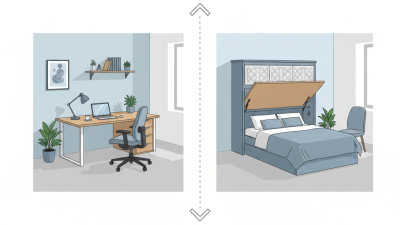
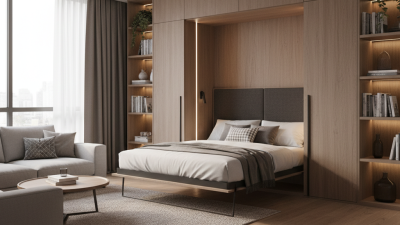
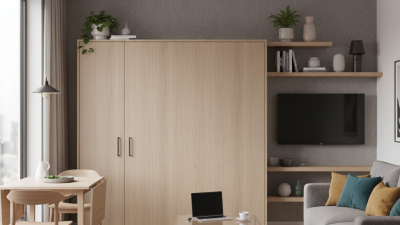
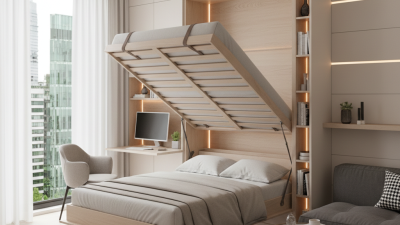
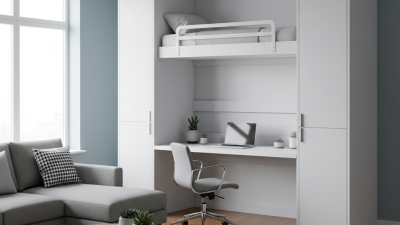
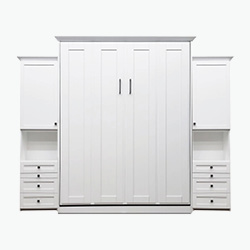
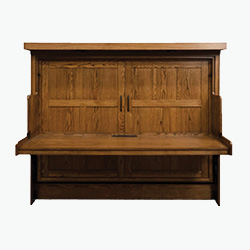
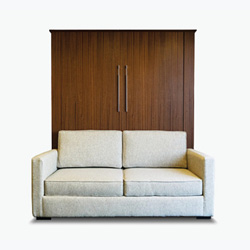
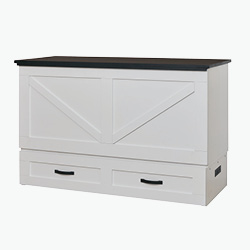
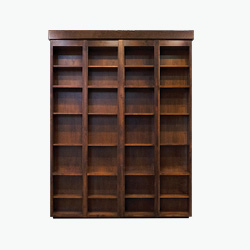
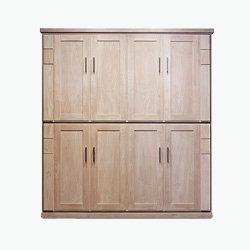
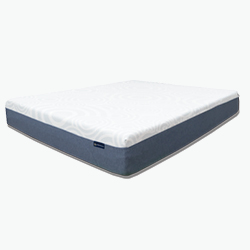
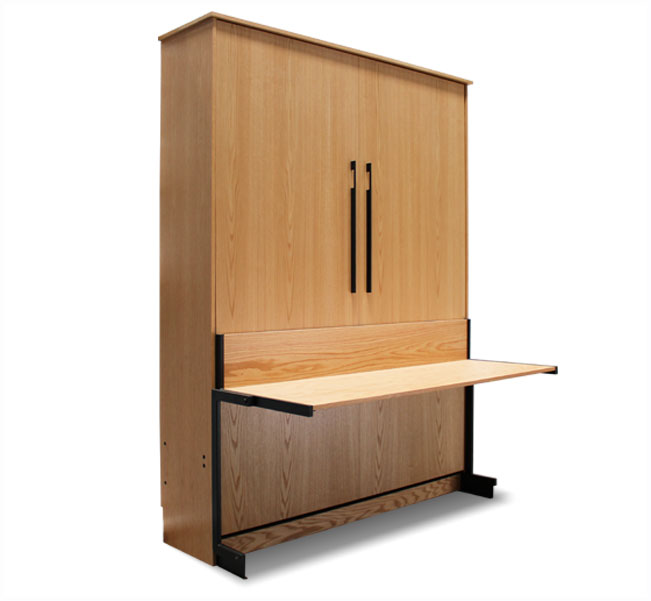
In the bustling cities of China, maximizing small living spaces is essential. The hideaway bed emerges as a practical solution. These beds seamlessly integrate into various interior designs. They provide comfort and conserve space, making them ideal for apartments and studios.
Craftsmanship and functionality are vital in choosing the best hideaway bed. Many factors come into play, such as durability and ease of use. Not all options suit every need. Thus, careful consideration is important before making a decision. Quality construction can greatly influence long-term satisfaction.
In an ideal scenario, a hideaway bed should adapt to different lifestyles. However, it’s crucial to reflect on whether it truly meets one’s needs. Space-saving designs can sometimes compromise comfort. It’s a balance between aesthetics and practicality that requires thoughtful evaluation.
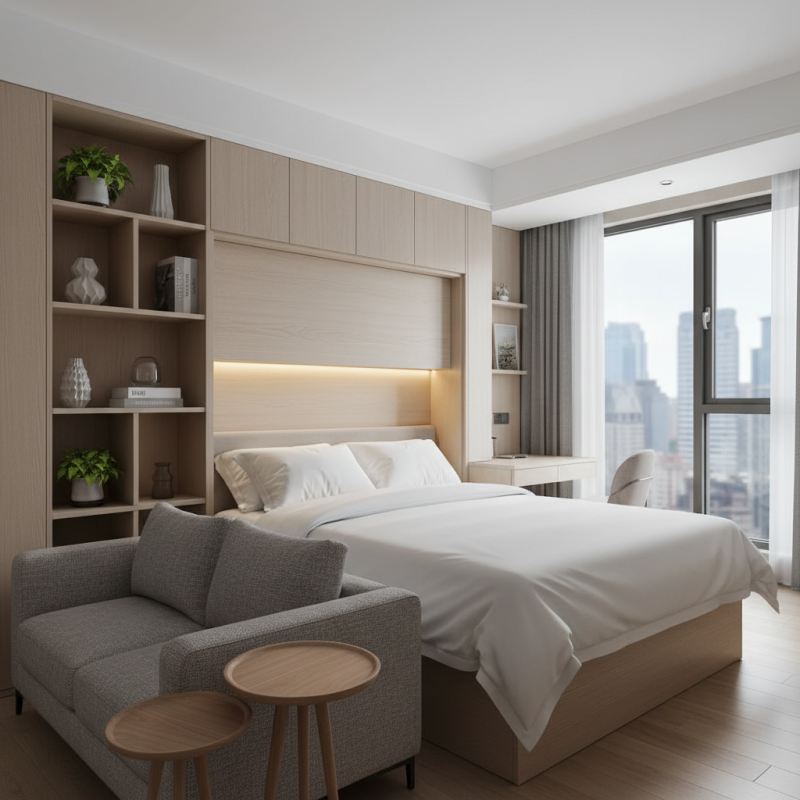
When considering hideaway beds for small spaces, the features are crucial. A quality hideaway bed should maximize ease of use. Look for designs that seamlessly convert from bed to sofa. This makes it effortless for daily use. Many options now include built-in storage. This can help keep your space clutter-free.
Comfort is another key feature. A good mattress is essential for quality sleep. Some hideaway beds compromise mattress quality for space. It’s important to find a balance. Test the mattress if possible. A comfortable bed can improve your overall living experience. Choose a bed that suits your sleep style, whether firm or soft.
Tips: Measure your space carefully before purchasing. Ensure that the bed fits not just in size, but also in style. Keep in mind the ease of setting up the bed. It should not feel like a chore. Sometimes, the simplest designs work best. Don’t rush into a decision; evaluate your needs and preferences.
In small spaces, hideaway beds have gained significant popularity in China. Consumers seek innovative solutions that maximize functionality. According to the China Furniture Association, about 40% of urban households are looking for space-saving furniture. This trend is driven by rising real estate costs and smaller living environments.
Popular designs include wall-mounted options and convertible sofa beds. These styles not only offer utility but also contribute to aesthetic appeal. Surveys indicate that over 60% of participants favor designs that blend seamlessly with their home decor. However, not all hideaway bed options are easy to use. Some consumers report difficulties in transitioning from sofa to bed, revealing usability issues that deserve attention.
A balance between style and practicality is essential. It's crucial for designers to consider the user experience. Space-saving solutions should accommodate comfort without compromising quality. As urbanization continues, focus on innovative hideaway bed designs remains vital. Understanding consumer needs can lead to improvements, making small living spaces more functional.
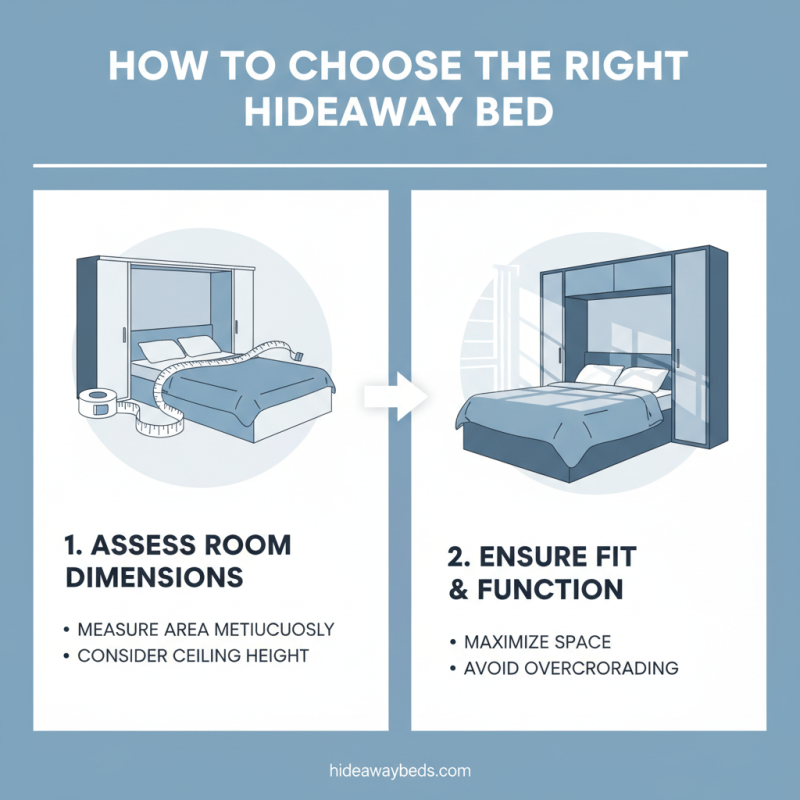
Choosing the right hideaway bed can transform small spaces into functional havens. Start by assessing your room dimensions. Measure the available area meticulously. This ensures the bed fits without overwhelming the space. Consider the height as well. Low ceilings may limit your options.
Next, think about usage frequency. Will it be used daily or just occasionally? If it’s for frequent sleep, prioritize comfort. Look for quality mattresses that support restful sleep. Sofas that convert into beds may also work well. They offer dual functionality, saving room while providing comfort.
Storage is another important factor. Some hideaway beds come with built-in shelves or drawers. This can help keep your small area organized. However, heavy mechanisms might be challenging for some users. Regular maintenance is vital for longevity. Consider how often you want to hide or reveal your bed. Balancing practicality with style can be tricky. Aim for a design that resonates with your decor while meeting your needs.
When considering the installation of hideaway beds for small spaces, precision is key. Begin by measuring your room thoroughly. Understand where the bed will go when it's both open and closed. Pay attention to ceiling height, especially if the bed folds up vertically. You may need a step ladder if the bed is high off the ground.
Installing a hideaway bed can also be tricky. Ensure that you have the right tools and follow the manufacturer’s instructions closely. Each model may have specific requirements. If instructions are unclear, don’t rush. Take the time to watch online tutorials or read user reviews for additional insights.
It's essential to account for the surrounding furniture and wall space. Avoid tight squeezes that make opening the bed difficult. Consider the weight of the mattress as well. A heavier mattress may require additional support. Sometimes, it’s beneficial to consult with a professional for installation. This can save you time and prevent potential injuries. Keep the goal of creating a functional yet stylish space in mind. Each small decision counts.
When choosing a hideaway bed for small spaces in China, cost is a significant factor. A comparative analysis shows that prices can range dramatically based on materials and design. For instance, a simple wall-mounted unit may start at around ¥3,000, while more elaborate designs can exceed ¥10,000. These price differences stem from variations in craftsmanship and customization options. According to industry reports, the average consumer in urban areas spends about ¥7,000 on quality hideaway beds.
Factors affecting costs also include size and functionality. A twin-size hideaway bed generally costs less than a queen-size model. Additionally, multipurpose beds with integrated storage often command higher prices. Statistics indicate that 40% of homeowners prioritize functionality over aesthetics when purchasing space-saving furniture. This preference can result in compromises, as some designs may lack comfort. The balance between cost, quality, and usability often leads to difficult decisions for consumers.
It's crucial to look beyond the initial price. Long-term durability and comfort also play a role. Data suggests that many consumers find themselves dissatisfied with cheaper models after a few years. Choosing a hideaway bed requires careful consideration, especially regarding how it fits into the overall living environment. Reflecting on personal needs versus budget constraints can lead to a more satisfying purchase.
| Option | Type | Size | Price (CNY) | Features |
|---|---|---|---|---|
| Convertible Sofa Bed | Sofa Bed | Single | 2,500 | Stylish design, easy conversion |
| Folding Wall Bed | Murphy Bed | Double | 4,000 | Space-saving, storage options |
| Loft Bed with Desk | Loft Bed | Single | 3,200 | Integrated workspace, modern design |
| Folding Guest Bed | Guest Bed | Twin | 1,800 | Portable, easy setup |
| Storage Bed | Storage Bed | Queen | 3,800 | Under-bed storage, stylish |
Sorry. This form is no longer accepting new submissions.
Fill out the form below and we'll have one of our experts contact you as soon as possible.